Treatment / Autologous Stem Cell Therapy
Autologous Stem Cell Therapy in Japan|Adipose-Derived MSC Guide
A regenerative medicine approach based on a patient’s own cells, focusing on anti-inflammatory regulation, tissue repair support, and functional recovery. This page explains what autologous stem cell therapy is, what it may and may not help with, and what to prepare before consulting in Japan.
This page is for educational and consultation-preparation purposes only and does not constitute medical advice, diagnosis, or a treatment promise.
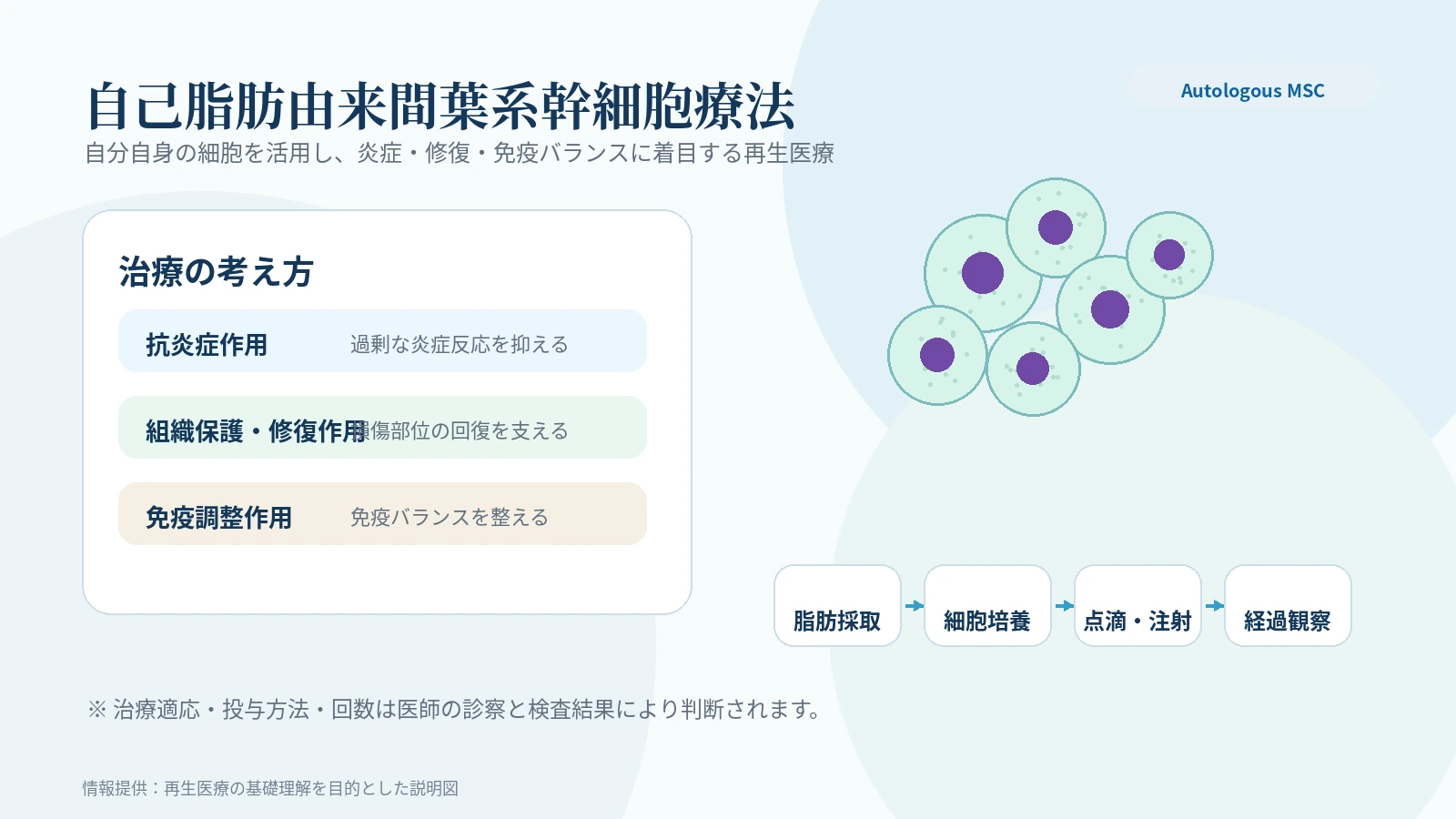
Autologous stem cell therapy in one minute
Autologous stem cell therapy is not simply an injection. It is a medical process that includes cell source selection, processing, administration, and follow-up.
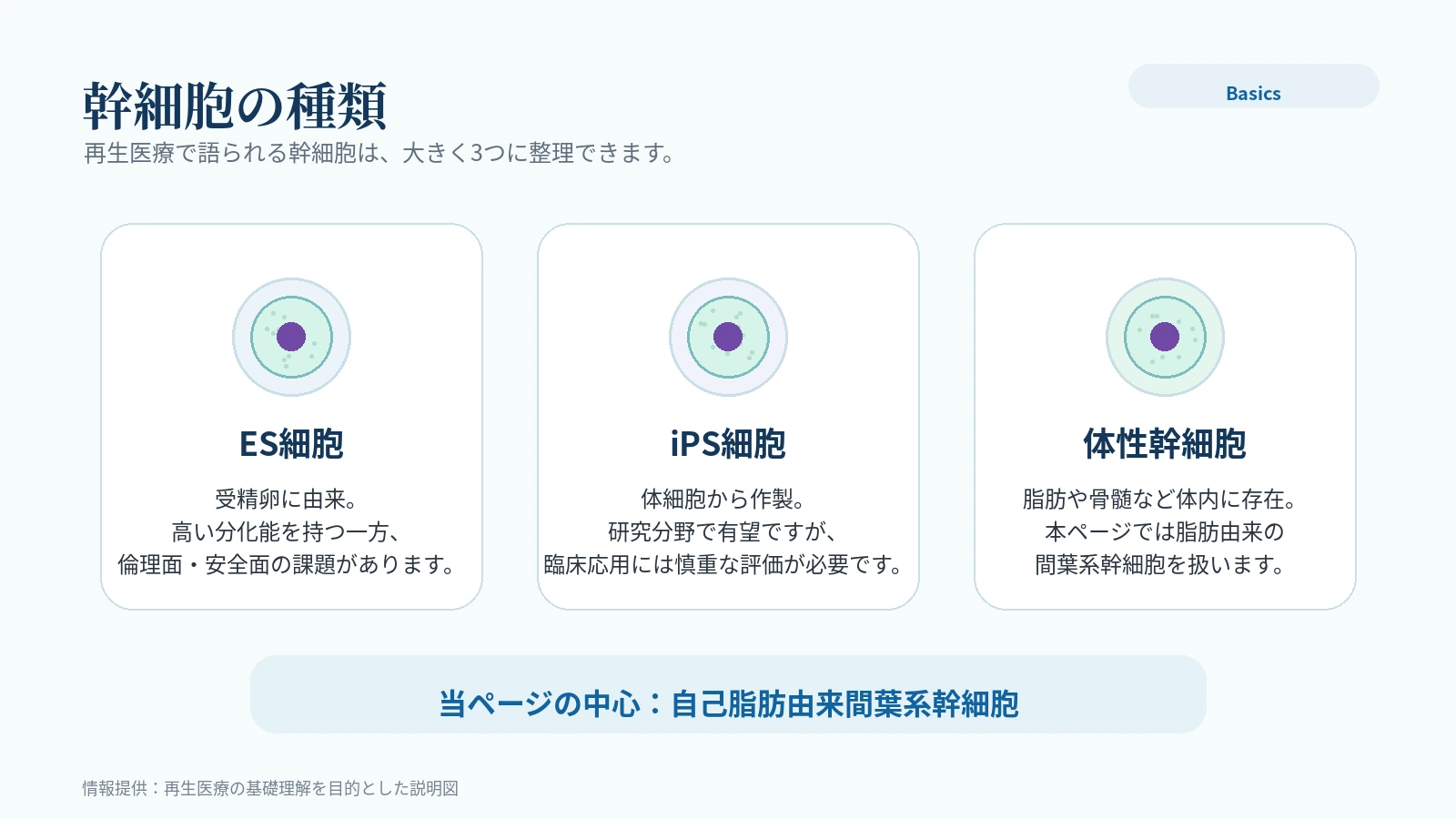
Autologous
Cells are derived from the patient’s own body, commonly from adipose tissue or bone marrow.
Stem cells
Cells with proliferative and differentiation potential that may release factors involved in repair and regulation.
Re-administration
After isolation, culture, and quality management, cells are administered based on the treatment goal.
Focus of this page
This page focuses on autologous adipose-derived MSCs. They are adult stem cells, not ES cells, not iPS cells, and not universal cells.
Why many people look at Japan for autologous stem cell therapy
Japan does not automatically mean every program is mature. What matters is whether the program can clearly explain its regulatory basis, physician evaluation, cell processing, risk disclosure, and follow-up management.
Regulatory framework
Programs can be discussed through treatment plans, committee review, informed consent, and follow-up systems.
Physician evaluation
A serious program does not skip medical history, testing, contraindications, and expectation management.
Cell processing
Users should understand collection, isolation, culture, storage, and administration instead of focusing only on cell count.
Risk disclosure
Potential adverse reactions, alternatives, and limitations should be explained clearly.
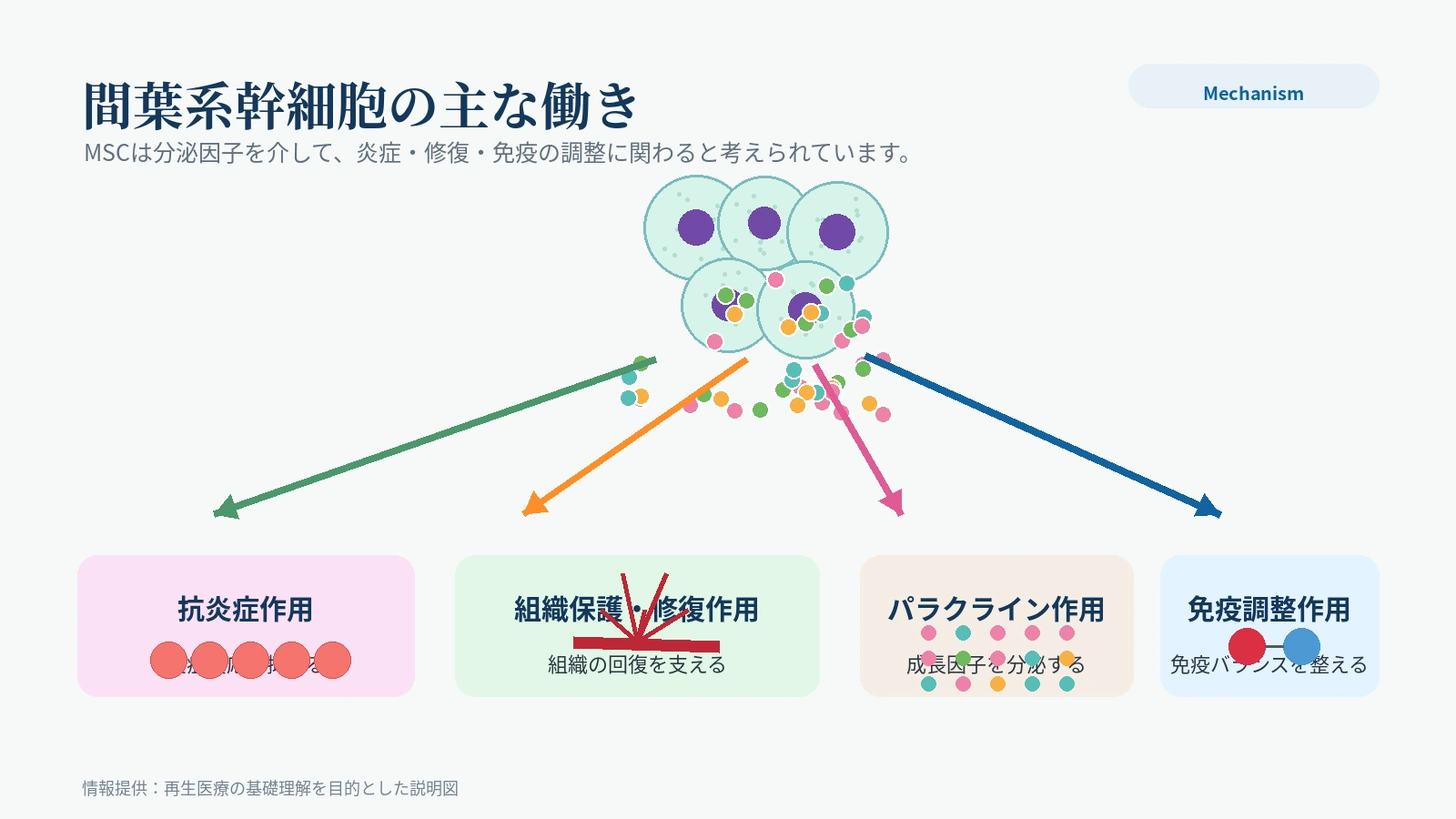
Five key MSC mechanisms
Stem cell therapy should not be understood as cells directly replacing damaged tissue. A more accurate explanation is that MSCs may participate in body regulation through several mechanisms.
Anti-inflammatory action
MSCs may secrete cytokines and participate in the regulation of excessive inflammatory responses.
Tissue protection and repair support
MSCs may improve the local tissue environment through growth factors, angiogenic signals, and cell-protective effects.
Immune modulation
This is not simply immune enhancement, but a possible shift toward a more balanced immune response.
Paracrine and exosome-related effects
Bioactive substances released by MSCs may affect the surrounding cell environment; exosomes are also an important research area.
Homing
Cells may respond to inflammatory, injury-related, or abnormal signals and migrate toward affected areas.
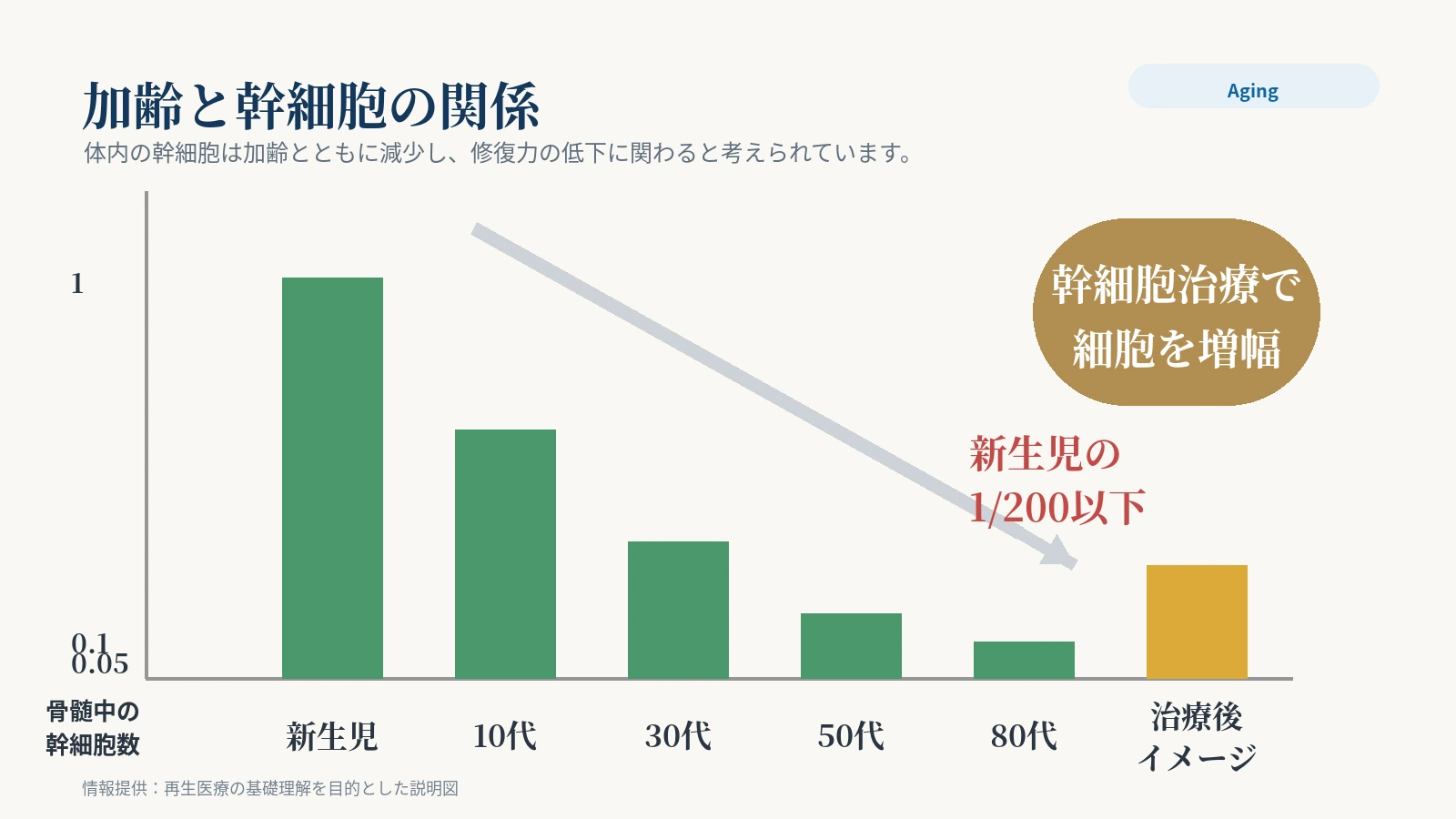
Aging and stem cells: why self-repair becomes harder over time
As we age, the body’s natural repair capacity tends to decline. Stem cell therapy is not about reversing age, but about supporting a better recovery environment through cell signaling, anti-inflammatory regulation, and repair support under medical evaluation.
Common consultation areas
The following are not guaranteed indications or treatment promises. They are common areas discussed in regenerative medicine consultations, and suitability must be judged by a physician.
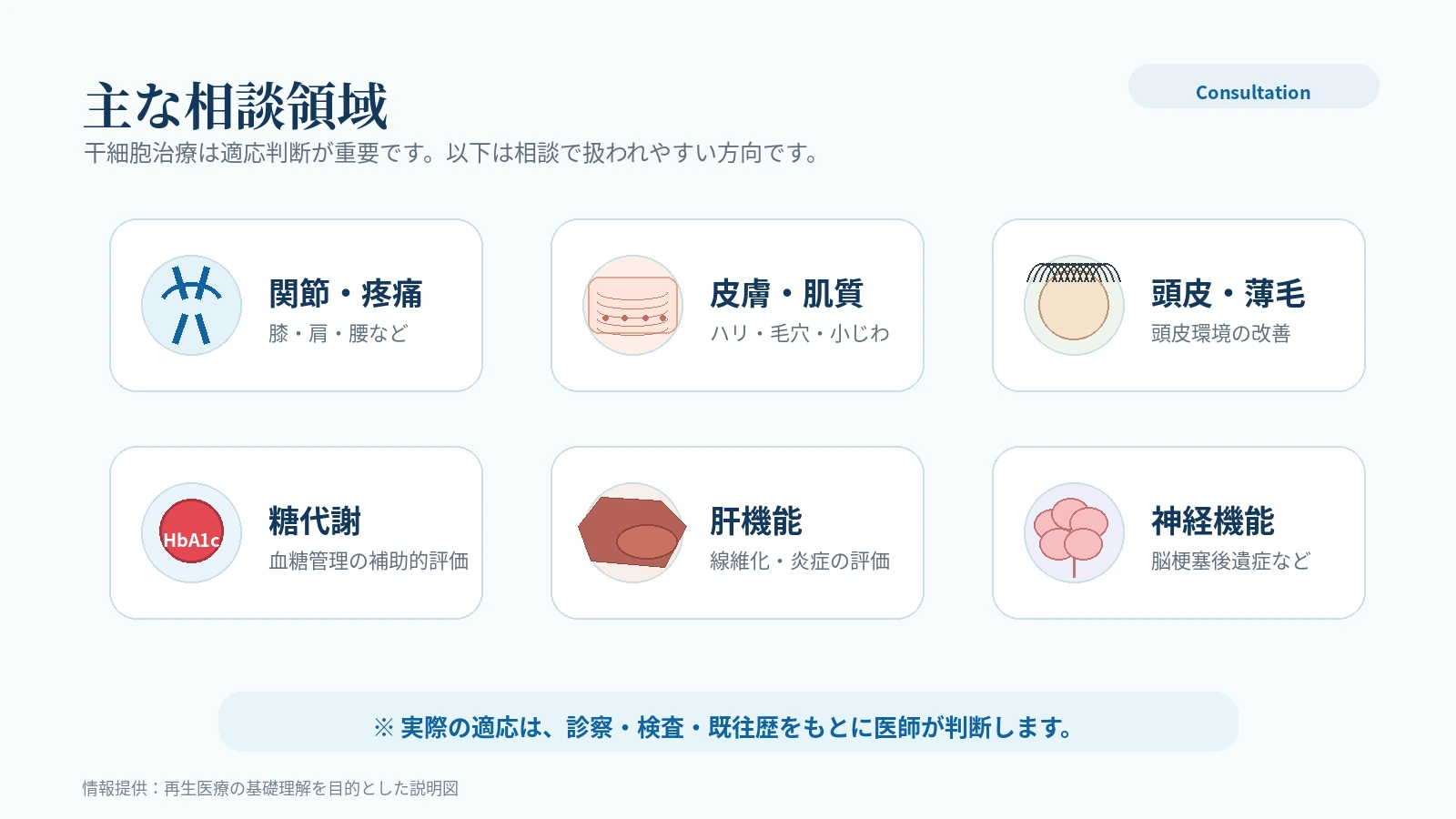
Knee joints and joint pain
Knee osteoarthritis, chronic knee pain, and cartilage degeneration are common consultation areas. The focus is not to promise a new joint, but to assess inflammatory and functional improvement potential.
Skin rejuvenation
Concerns include fine lines, pores, elasticity, texture, nasolabial folds, eye contour, and glow. The positioning should be skin-quality support, not replacement for surgery or fillers.
Hair thinning and scalp condition
Hair loss has many causes. Evaluation should first identify the type and progression stage, then discuss scalp environment and maintenance strategy.
Chronic pain and inflammation
Chronic pain may involve joints, nerves, immunity, metabolism, or lifestyle. The discussion is about inflammatory regulation and recovery capacity, not simply pain relief.
Metabolic and type 2 diabetes-related topics
Diabetes care must remain based on standard internal medicine management. Regenerative approaches cannot replace standard treatment.
Liver function and fibrosis-related topics
Strict medical evaluation is required, including disease cause, liver stage, viral status, coagulation function, tumor risk, and treatment history.
Post-stroke sequelae and neurological function
Assessment requires onset time, imaging, severity, underlying conditions, rehabilitation status, and neurological evaluation.
IV infusion vs local injection
The method of administration depends on treatment goals. A responsible consultation first assesses suitability instead of recommending one method to everyone.
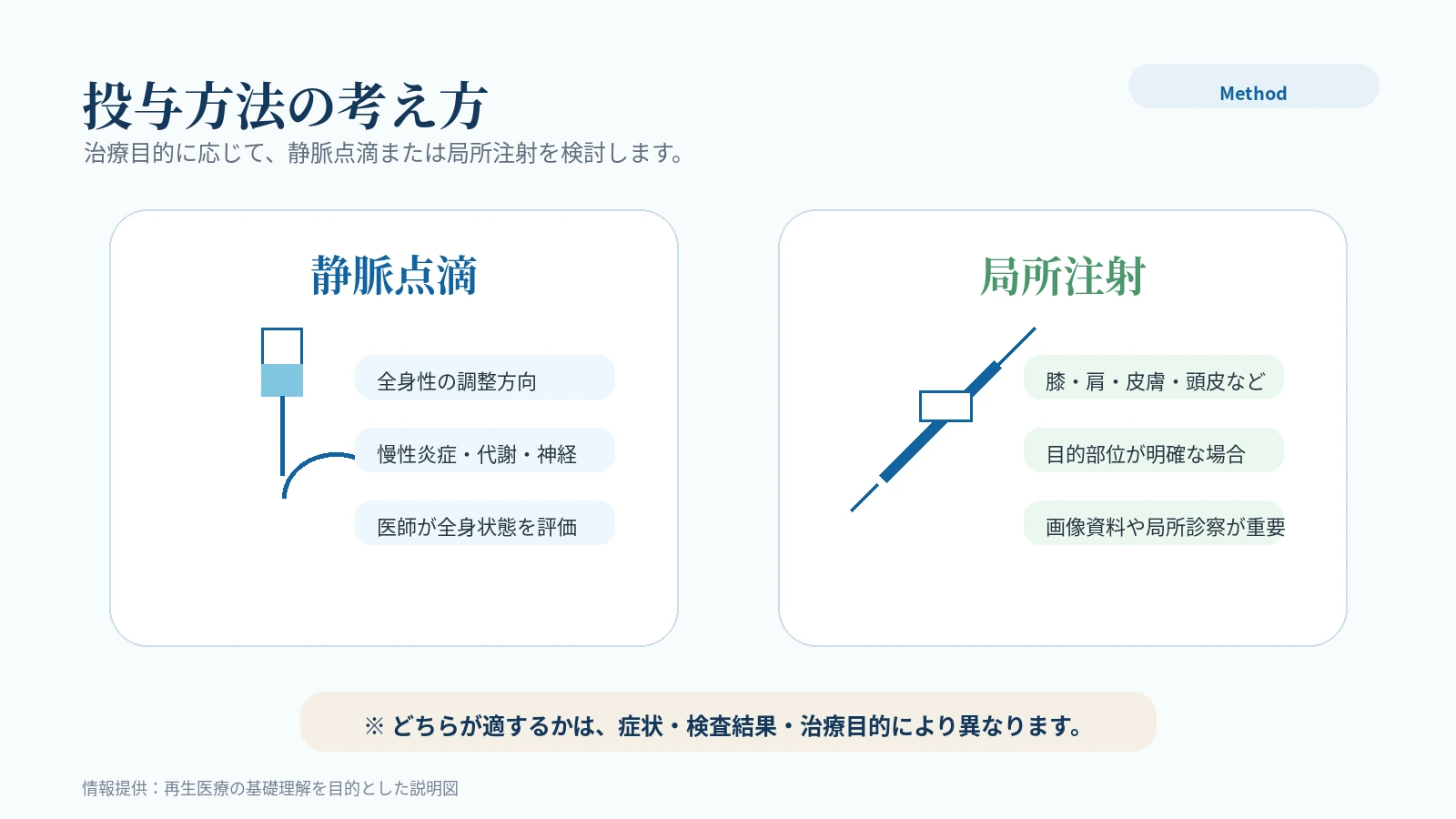
| Item | IV infusion | Local injection |
|---|---|---|
| Positioning | Systemic regulation | Targeted local area |
| Common areas | Chronic inflammation, metabolism, neurological or vascular topics | Knee, shoulder, skin, scalp |
| Key evaluation | General condition, infection screening, underlying diseases | Pain source, imaging, local tissue condition |
Typical treatment flow
This is not a one-time consumer service, but a staged medical process.
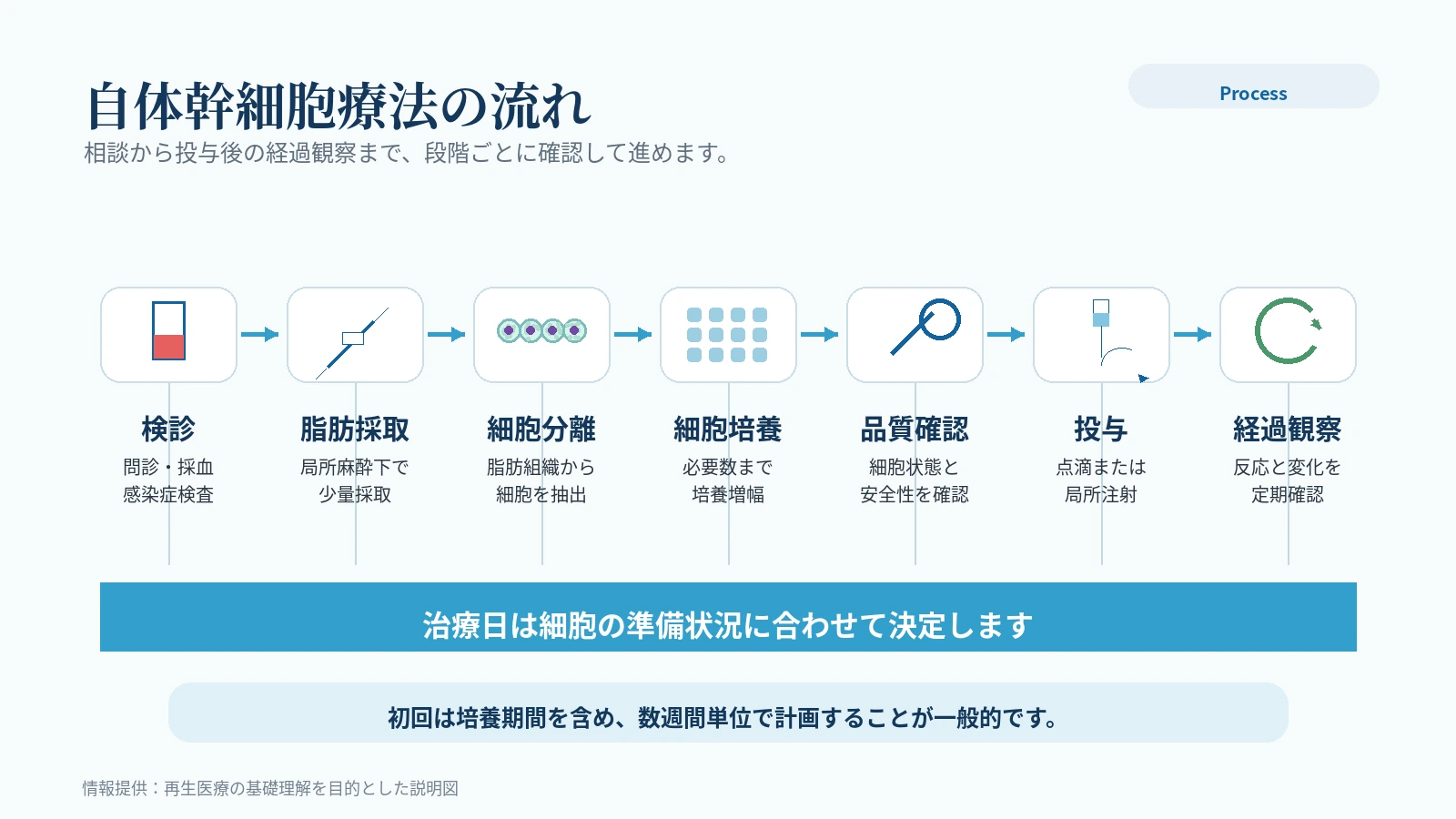
Initial consultation
Review concerns, history, medical records, and goals to decide whether further assessment is meaningful.
Physician assessment and testing
Blood tests, infection screening, and general health assessment are performed before proceeding.
Adipose tissue collection
A small amount of adipose tissue is collected; site and volume depend on physician and institutional protocol.
Cell isolation and culture
Cells enter processing, culture, and quality management. Preparation usually takes several weeks.
Infusion or local injection
Administration method is selected based on treatment goals. Treatment dates are usually not changed casually.
Follow-up
Body reactions and symptom changes are monitored. Abnormal reactions should be reported promptly.
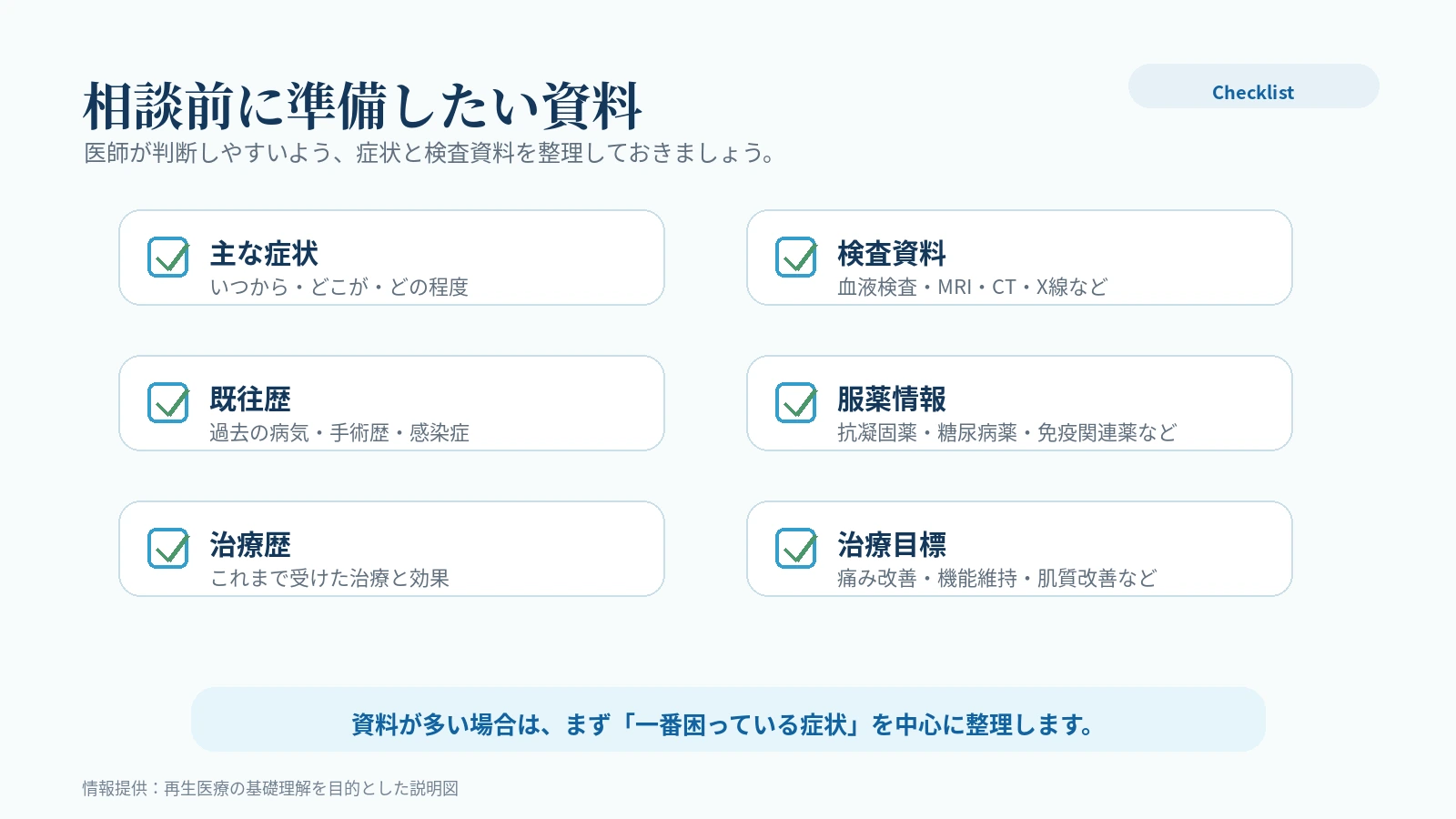
What to prepare before consulting in Japan
Many cases get stuck not because treatment is impossible, but because medical information is incomplete.
- Core concern: focus on one or two key issues first instead of mixing everything together.
- Medical records: blood tests, MRI, CT, X-ray, ultrasound, discharge summaries, and medication lists.
- Current medications and treatment history: anticoagulants, immunosuppressants, steroids, diabetes medication, and others.
- Realistic goals: pain relief, functional improvement, skin quality support, or long-term maintenance.
- Time and budget range: cell culture and a second trip to Japan may need advance planning.
Situations that may require postponement or avoidance
A mature medical service explains not only when a program may be considered, but also when it should not be recommended.
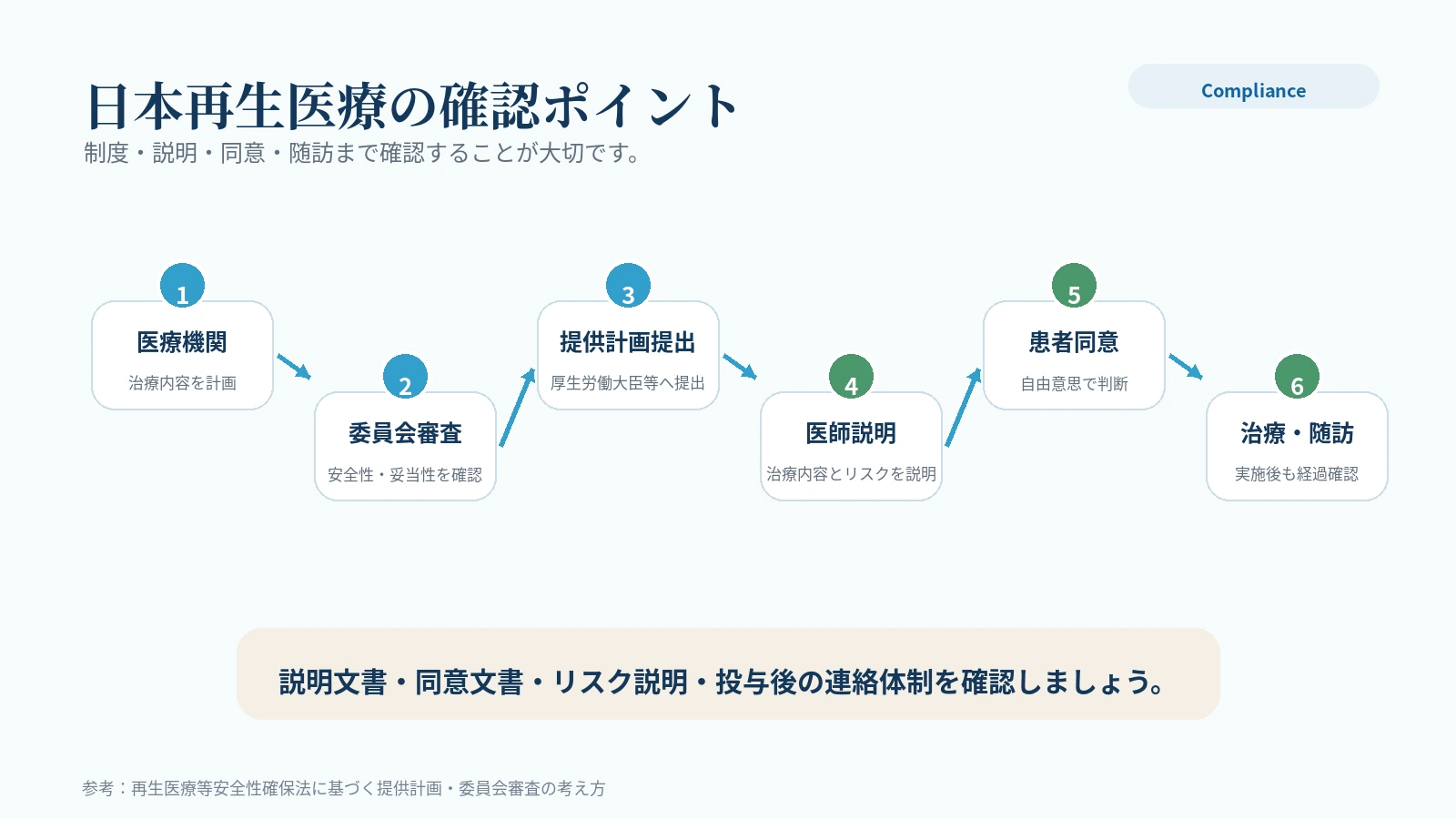
Compliance points in Japanese regenerative medicine
Compliance does not guarantee effectiveness, but it helps users judge whether a program is managed as a serious medical process.
FAQ
How much does autologous stem cell therapy in Japan cost?+
Costs vary widely by institution, cell number, method, culture process, and treatment plan. Official fees must be explained after medical assessment; this page is not a quotation.
Is earlier always better?+
Not necessarily. Suitability depends on disease stage, general condition, examination results, and treatment goals.
Can results be seen after one treatment?+
This is usually not an immediate treatment. Some changes may require weeks to months of observation, and results vary.
Are autologous cells completely risk-free?+
No. Although immune rejection risk may be lower, infection, fever, swelling, pain, and lack of effect are still possible.
Can this replace surgery?+
Not simply. Severe structural damage or late-stage organ/joint disease may still require standard treatment or surgery.
What is the difference between adipose-derived and bone marrow-derived MSCs?+
Both are MSCs. Adipose-derived cells are generally easier to collect and may yield more cells; bone marrow collection requires puncture.
How long should I stay in Japan?+
Initial steps may include consultation, testing, and adipose collection. Culture usually takes several weeks, followed by another visit for infusion or injection.
What information is needed for initial consultation?+
Age, main symptoms, duration, diagnoses, blood or imaging reports, current medications, treatment history, and goals are recommended.
Would you like to know whether this may be suitable for you?
If you are considering stem cell therapy in Japan, start by organizing your medical information instead of comparing prices first. We can help structure your case into questions that are easier for physicians to assess.
This page is intended to help readers understand autologous stem cell therapy and regenerative medicine in Japan. It does not constitute medical advice, diagnosis, or a treatment promise. Suitability, treatment method, frequency, cost, risks, and expected outcomes must be determined by the actual medical institution and physician evaluation. Results vary by individual.