
On this page
Short answer
NAD+ is a coenzyme involved in cellular energy metabolism, and research shows levels fall with age. An NAD+ infusion delivers it directly into a vein and is commonly chosen for energy, fatigue, and healthy-aging maintenance. In Japan it is self-pay care done in one day, but it must be infused slowly, usually for an hour or more.
01
What an NAD+ infusion is
NAD+ (nicotinamide adenine dinucleotide) is a coenzyme cells need to produce energy, and it is also involved in processes such as DNA repair. Research shows NAD+ levels decline with age.
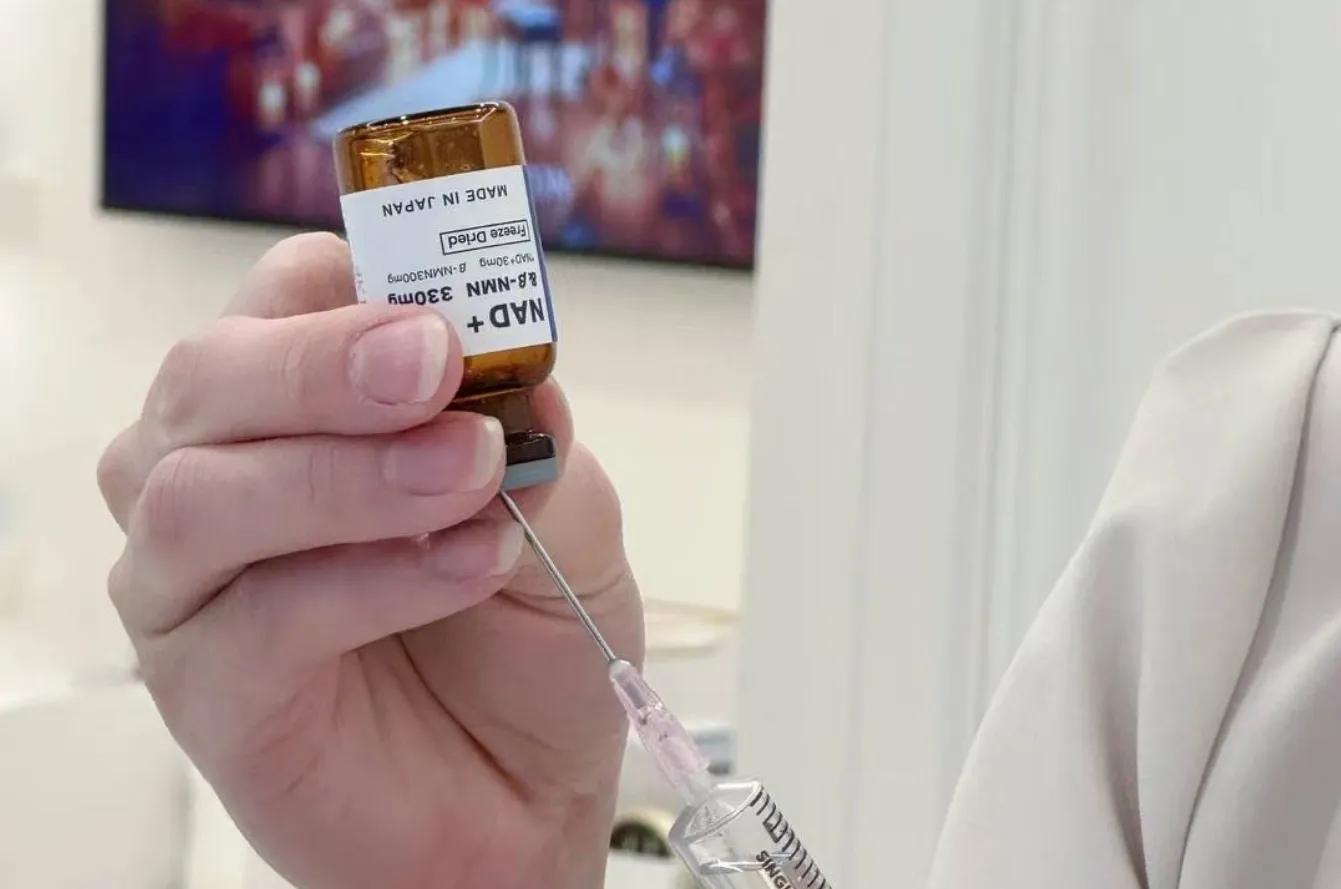
An NAD+ infusion delivers NAD+ directly into a vein. Some clinics use NMN, a precursor of NAD+, such as the NAD+ β-NMN infusion at Ginza YR Clinic. Unlike oral supplements, an infusion bypasses digestion.
Worth knowing: clinical research on NAD+ infusions in humans is still building and results vary. It is best considered a maintenance option rather than treatment for a disease.
02
Common reasons people ask
These are common situations, not promises of results.
Energy and fatigue
Demanding work or long-term tiredness, looking at maintenance options.
Healthy aging
Part of a routine, often combined with other infusions.
Alongside other treatments
Scheduled before or after stem cell or exosome treatment.
03
The process
Consultation
Medical questions, with blood tests if needed.
Infusion
Given slowly, usually an hour or more. Too fast can cause chest tightness, nausea, or flushing; the rate can be reduced.
Observation
Normal activity the same day.
Next steps
The physician advises how often to repeat.
04
Who it suits, and who needs assessment first
Generally suited
- Interested in maintenance options with limited time
- Understand that results vary
- Comfortable with a longer infusion
Physician assessment needed first
- Pregnancy or breastfeeding
- Serious liver or kidney problems
- Cancer currently under treatment
- Taking several medications (tell the physician)
05
Reference cost
NAD+ infusion costs vary by dose and number of sessions. We confirm a written quote with the clinic before you travel.
Whether tax is included and whether pricing is per session or a package is confirmed in the clinic's written quote. Coordination fees are explained separately.
06
Questions to ask at your consultation
- 01NAD+ or NMN, and how many milligrams?
- 02How long does the infusion take?
- 03How often, and how many sessions in total?
- 04Is the price per session or a package?
- 05What happens if I feel unwell?
07
Frequently asked questions
What is the difference between NAD+ and NMN?
NMN is a building block (precursor) the body uses to make NAD+. An NAD+ infusion supplies NAD+ directly; an NMN infusion supplies the precursor for the body to convert. The physician advises which suits you.
Infusion or oral supplements?
An infusion goes straight into the blood without digestion; oral supplements are easier and cheaper. Research comparing long-term effects in humans is limited.
Are there side effects?
If infused too quickly, chest tightness, nausea, flushing, or headache can occur, usually easing when the rate is slowed. Tell the physician about any conditions or medications.
How often should I have it?
There is no single standard; the physician advises based on your goal and health.
Further reading
- Don’t let treatment names drive your anti-aging consultation: where aesthetic medicine, health management, and regenerative medicine differ
- What are exosome IV drips in Japan? Sources, evidence, and compliance
- Marketing lines worth questioning: “policy window period,” “exclusive technology,” “premium experience”
Where to have it
GINZA YR CLINIC
Ginza YR Clinic offers NAD+ β-NMN infusions as well as high-dose vitamin C and other wellness infusions.