

In this article
- 01Ginza location and clinic environment: more “medical” than “luxury”
- 02Dr. Junya Higuchi’s background: University of Tokyo medical PhD and relevant regenerative medicine qualifications
- 03Treatment areas: stem cells / PRP / immune cells / NAD⁺, etc.
- 04Key technical points: serum-free culture and “non-frozen fresh cell administration”
- 05Safety and compliance: truly trustworthy clinics are often more “restrained”
- 06Common questions
Short answer
Ginza YR Clinic is located in Ginza 6-chome, Tokyo, with Director Dr. Junya Higuchi, an orthopedics-trained University of Tokyo medical PhD. Its main areas are autologous fat-derived stem cells, PRP, and immune cells. Its Class II and Class III regenerative medicine plans can be verified in the Ministry of Health, Labour and Welfare (MHLW) lists, and it has an in-house cell processing center (CPC). This site has a cooperative relationship with this clinic.
- Address
- 7F, CSS Building III, 6-5-13 Ginza, Chuo-ku, Tokyo
- Director
- Dr. Junya Higuchi (University of Tokyo medical PhD, orthopedics and regenerative medicine)
- Class II plans
- Autologous fat-derived stem cells (joints, IV for pain, skin, hair), joint PRP
- Class III plans
- PRP (skin, hair), NK cells, alpha-beta T cells
- Cell processing
- In-house cell processing center (CPC); notification for manufacturing specified cell-processed products submitted
- Relationship with this site
- Partner clinic; see “About Us” for details
01
Ginza location and clinic environment: more “medical” than “luxury”
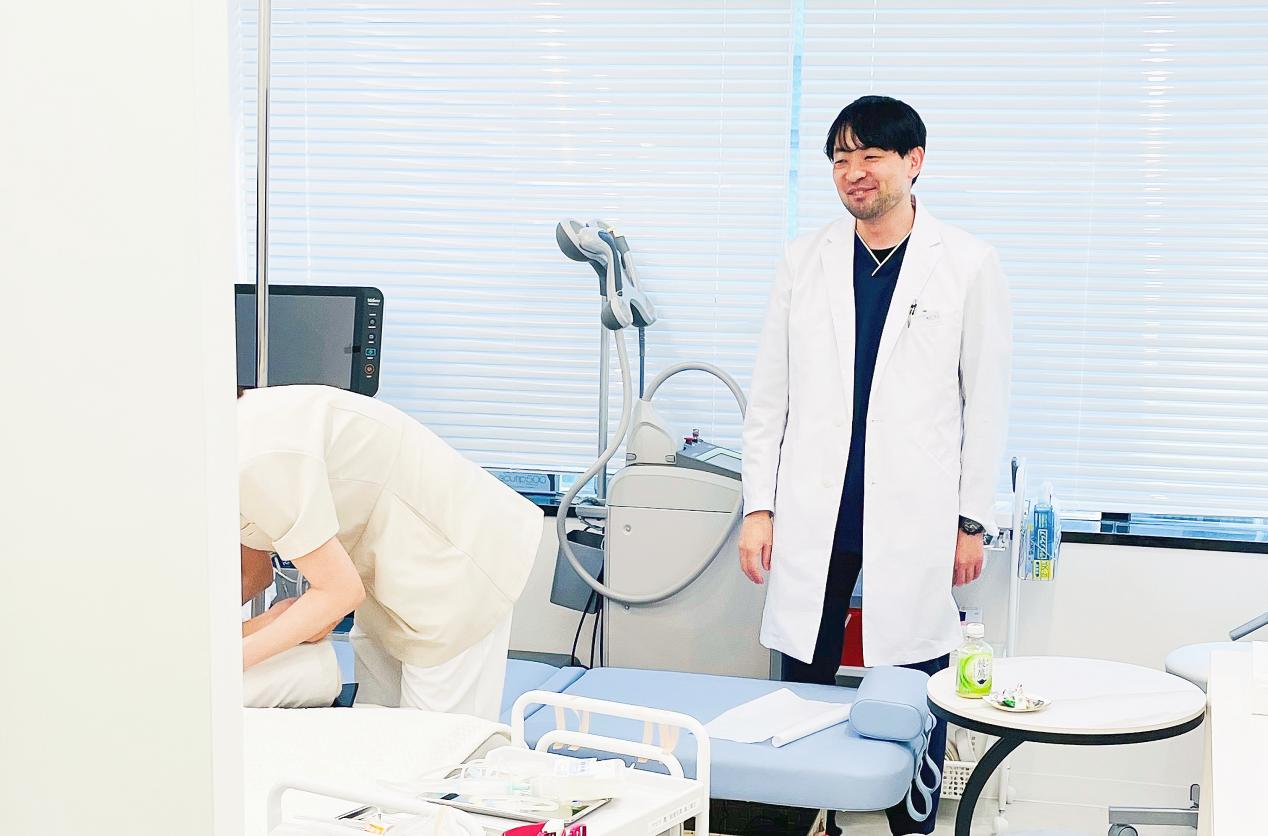
Ginza YR Clinic is in the core commercial district of Tokyo’s Ginza, surrounded by many international luxury brands and high-end commercial facilities. Unlike the heavily decorated style common in “high-end aesthetic clinics,” the interior leans toward a clean, minimalist medical feel: predominantly white, restrained flow design, emphasizing professionalism and order.
This choice of environment often reflects the clinic’s positioning: it emphasizes medical processes and treatment experience rather than creating a “premium feel” through interior design. For those first learning about regenerative medicine in Japan, this is a relatively easy signal to build trust—especially if you care more about safety, process, and explainability.
02
Dr. Junya Higuchi’s background: University of Tokyo medical PhD and relevant regenerative medicine qualifications
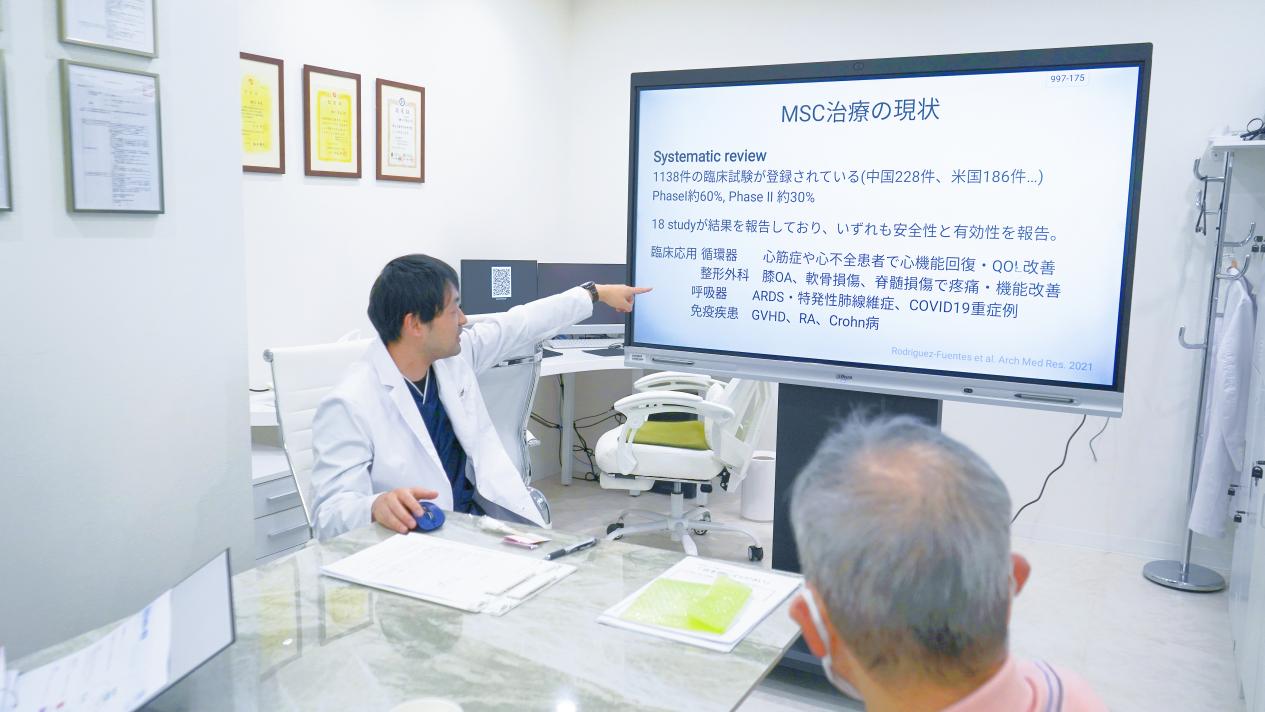
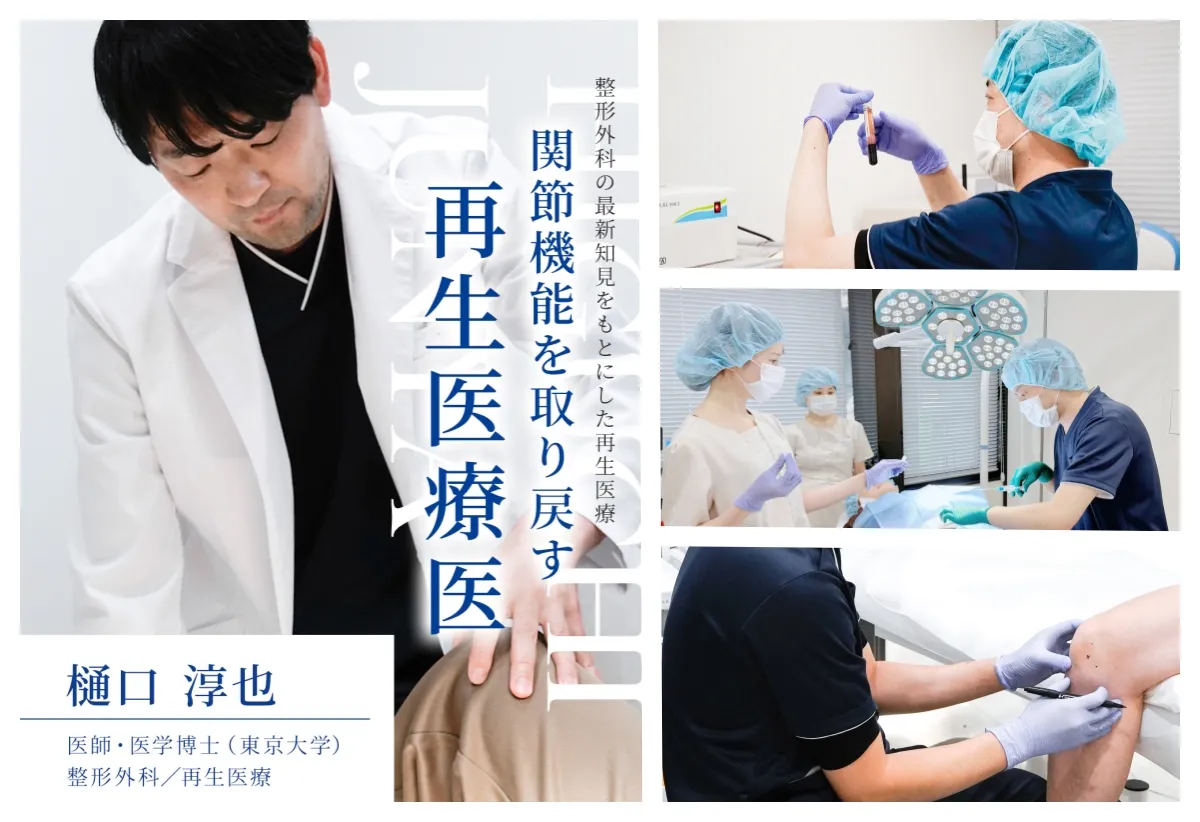
Public sources show that Dr. Junya Higuchi has worked at the University of Tokyo Hospital and Teikyo University Hospital, among other large general hospitals, covering clinical areas such as joints, spine, trauma, and sports medicine.
While at the University of Tokyo, his research focused on mesenchymal stem cells (MSCs), and he earned a medical PhD from the University of Tokyo. At the same time, as a certified physician by Japanese regenerative medicine–related societies and a participant in the review work of the Specially Certified Committee for Regenerative Medicine, his understanding of safety and compliance boundaries is typically more rigorous and more oriented toward “risk management.”
03
Treatment areas: stem cells / PRP / immune cells / NAD⁺, etc.
Focusing on regenerative medicine and anti-aging, the clinic’s common inquiries and treatment areas can be summarized into four categories:
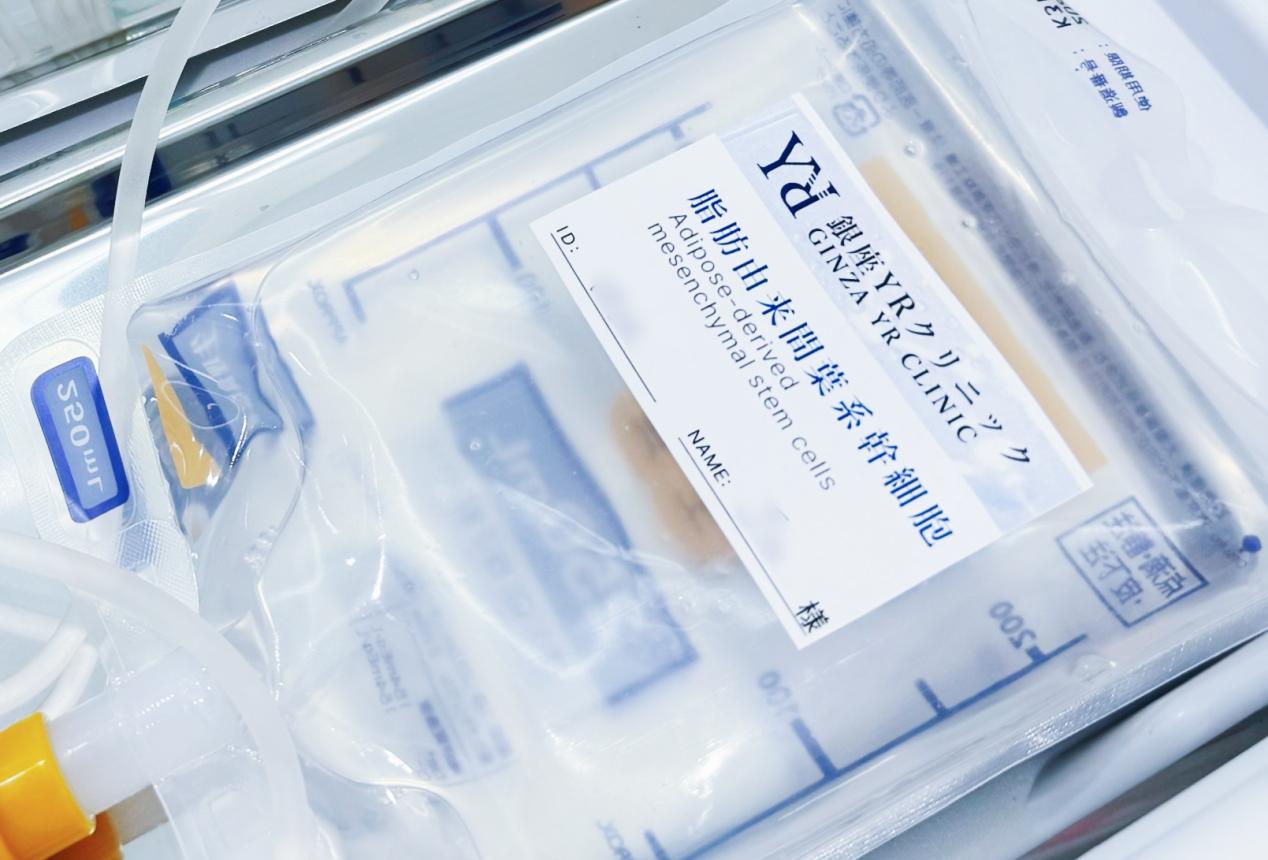
1) Stem cell–related: represented by autologous fat-derived mesenchymal stem cell therapy, often discussed for joint injuries, chronic pain, and functional support;
2) PRP (platelet-rich plasma): common in tissue repair and skin management;
3) Immune cells: such as NK and combination regimens, more related to immune management and functional improvement;
4) Drips/functional management: for example, iPS exosome infusions and NAD⁺ supplementation, usually chosen based on individual differences and evaluation results.
It should be emphasized that treatments with the same name may differ greatly between clinics in specific protocols, applicable boundaries, and follow-up arrangements. Using the “treatment area” as an entry point for information—rather than equating it directly with the “plan” you will ultimately receive—is safer.
04
Key technical points: serum-free culture and “non-frozen fresh cell administration”
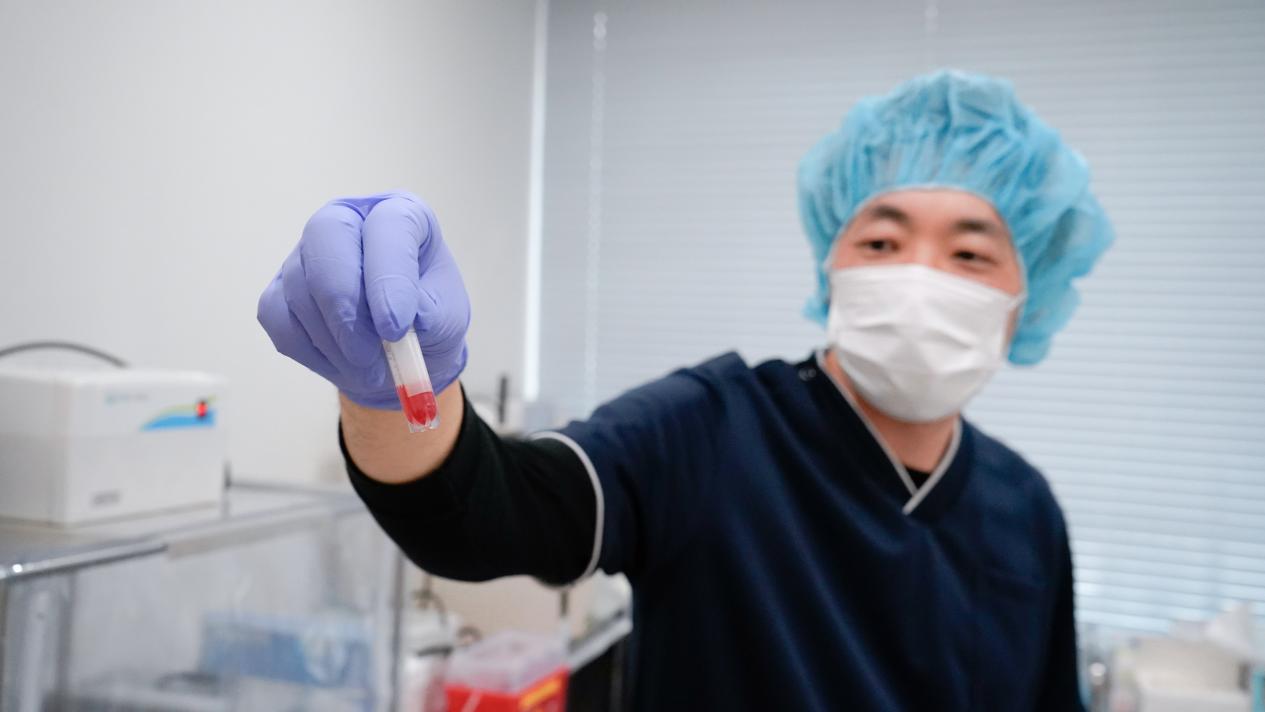
Two noteworthy technical/process keywords mentioned during the visit: serum-free culture, and non-frozen fresh cell administration.
For general users, you can understand this as two questions: how preparation and storage affect cell viability and consistency; and whether the clinic can clearly explain its processes, quality control, and risk management logic.
In regenerative medicine treatments, “viability and quality” are often among the core variables in discussions of effectiveness and safety. Even if you do not need to understand every technical detail, we recommend using “process explainability” and “information transparency” as important criteria when selecting a clinic.
05
Safety and compliance: truly trustworthy clinics are often more “restrained”
Under Japan’s regenerative medicine system, compliance and safety are not slogans but end-to-end requirements running through consultation, indication assessment, plan design, administration process, postoperative follow-up, and risk disclosure.
From a user perspective, prioritize whether the clinic is willing to repeatedly emphasize risk boundaries, whether there is a clear follow-up plan, whether it remains restrained about uncertainties, and whether it can provide consistent, verifiable explanations.
Often, truly trustworthy clinics are not the “loudest,” but those that are stricter about details, more respectful of risk, and more mindful of long-term responsibility.
06
Common questions
Where can I check Ginza YR Clinic’s registrations?
In the MHLW e-Regenerative Medicine public lists (Class II and Class III pages), search by the clinic name. You can also see this site’s clinic profile page, which lists each plan number.
Can I consult in Chinese?
You can make an appointment through this site. A Chinese-speaking advisor will assist with document preparation, translation, and consultation scheduling.


